
Navigating Addiction Treatment Options in Idaho Falls for 2026
Finding the right addiction treatment center is a crucial step towards recovery. For residents of Idaho Falls, this decision involves carefully considering various factors, including the type of addiction, the severity of the addiction, available resources, and personal preferences. This guide provides an overview of the landscape of addiction treatment centers in the Idaho Falls area, with a focus on what to expect in 2026, considering advancements and changes in the field.
Understanding Levels of Care in Idaho Falls
Addiction treatment isn't a one-size-fits-all solution. The ideal level of care depends on the individual's needs. Here's a breakdown of common options available in and around Idaho Falls:
- Detoxification (Detox): This is often the first step, especially for those with physical dependencies. Detox centers in Idaho Falls provide medically supervised withdrawal management to minimize discomfort and ensure safety. Look for centers that offer 24/7 medical monitoring and medication-assisted treatment (MAT) where appropriate.
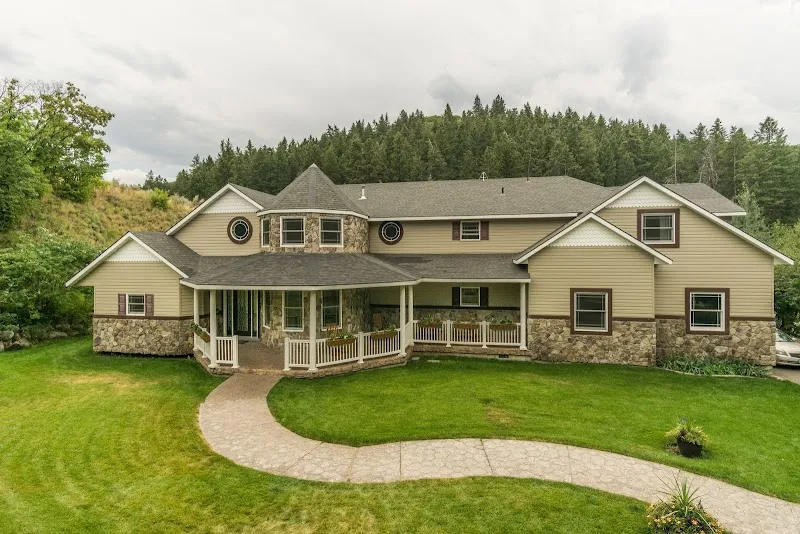
- Inpatient/Residential Treatment: Inpatient programs offer a structured environment where individuals live at the treatment facility. This level of care is suitable for individuals with severe addictions, co-occurring mental health disorders, or those who need a highly supportive environment. Idaho Falls residential programs often incorporate individual therapy, group therapy, family therapy, and holistic therapies. The length of stay can vary from 30 to 90 days or longer.
- Partial Hospitalization Programs (PHP): PHP offers intensive treatment during the day while allowing individuals to return home in the evenings. This is a good option for those who need a structured program but can maintain some independence. PHPs in the Idaho Falls area typically involve several hours of therapy and counseling per day, several days a week.
- Intensive Outpatient Programs (IOP): IOPs provide a less intensive level of care than PHP, with treatment sessions typically held several evenings a week. This is a suitable option for individuals who have completed inpatient treatment or who have less severe addictions. IOPs in Idaho Falls focus on relapse prevention, coping skills, and building a support network.
- Outpatient Therapy and Counseling: Individual therapy, group therapy, and family counseling are available on an outpatient basis. This is a good option for individuals who need ongoing support but don't require intensive treatment. Many therapists and counselors in Idaho Falls specialize in addiction treatment.
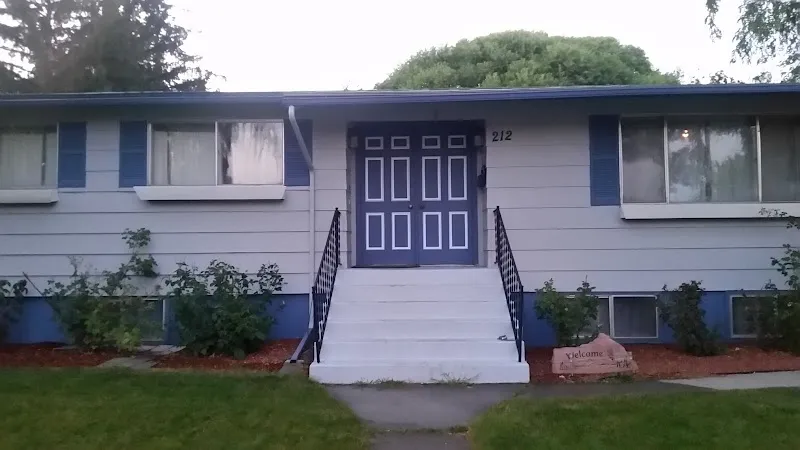
- Sober Living Homes: These homes provide a supportive, substance-free living environment for individuals in recovery. They offer a transition between inpatient treatment and independent living. Sober living homes in the vicinity of Idaho Falls often have rules and regulations to promote sobriety and accountability.
Factors to Consider When Choosing a Treatment Center
Selecting the right addiction treatment center in the Idaho Falls area requires careful consideration. Here are key factors to evaluate:
- Accreditation and Licensing: Ensure the treatment center is licensed by the state of Idaho and accredited by a reputable organization such as the Joint Commission or CARF International. Accreditation indicates that the center meets certain standards of quality and care.
- Treatment Philosophy and Modalities: Different centers employ different treatment philosophies and modalities. Some may focus on the 12-step approach, while others may utilize cognitive behavioral therapy (CBT), dialectical behavior therapy (DBT), or other evidence-based practices. Research the center's approach and ensure it aligns with your beliefs and preferences.
- Specialized Programs: Some centers offer specialized programs for specific populations, such as adolescents, veterans, or individuals with co-occurring mental health disorders. If you have specific needs, look for a center that offers tailored programs.
- Staff Qualifications: The qualifications and experience of the staff are crucial. Ensure the center employs licensed therapists, counselors, and medical professionals who are experienced in addiction treatment.
- Cost and Insurance Coverage: Addiction treatment can be expensive. Check with your insurance provider to see which centers are in-network and what services are covered. Also, inquire about payment options and financial assistance. As of 2026, most insurance plans are expected to offer some level of coverage for addiction treatment, thanks to the Affordable Care Act and ongoing efforts to expand access to care.
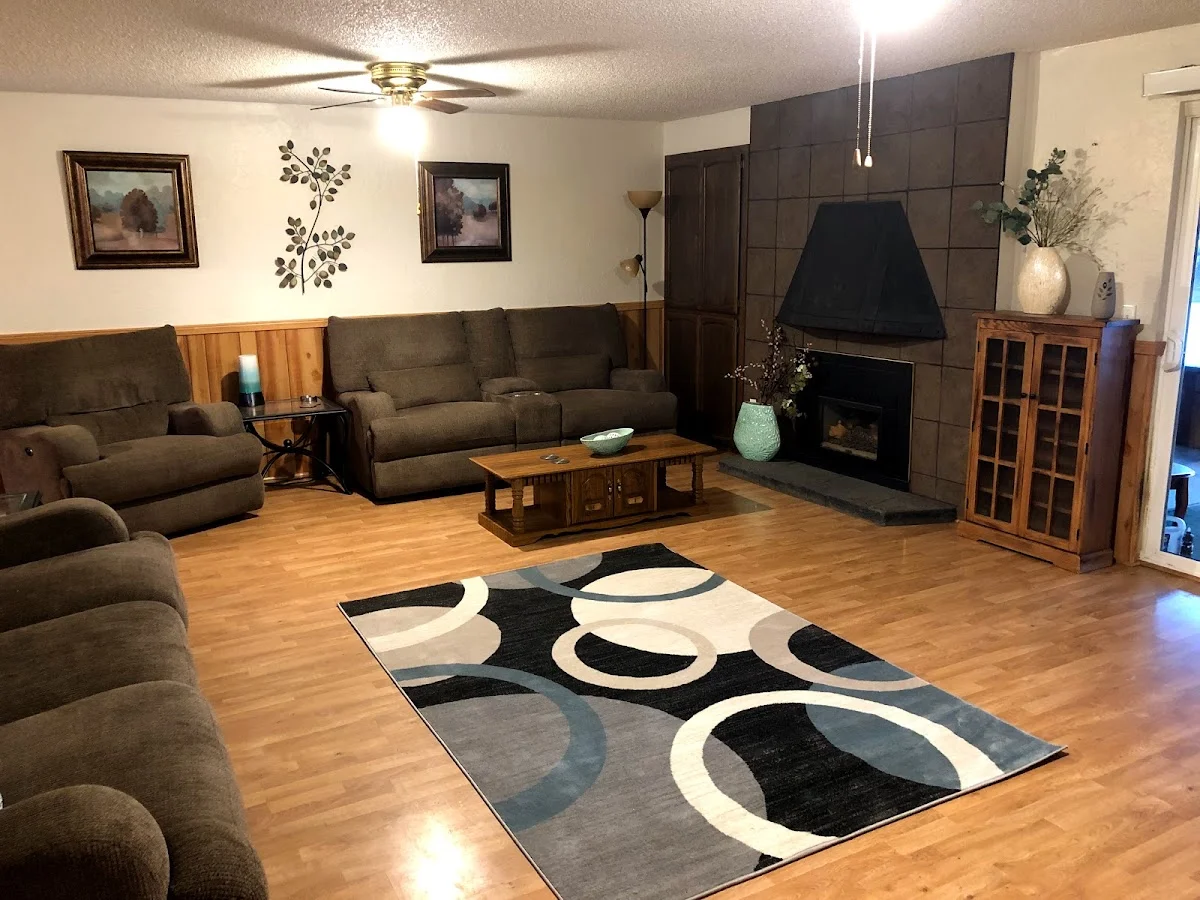
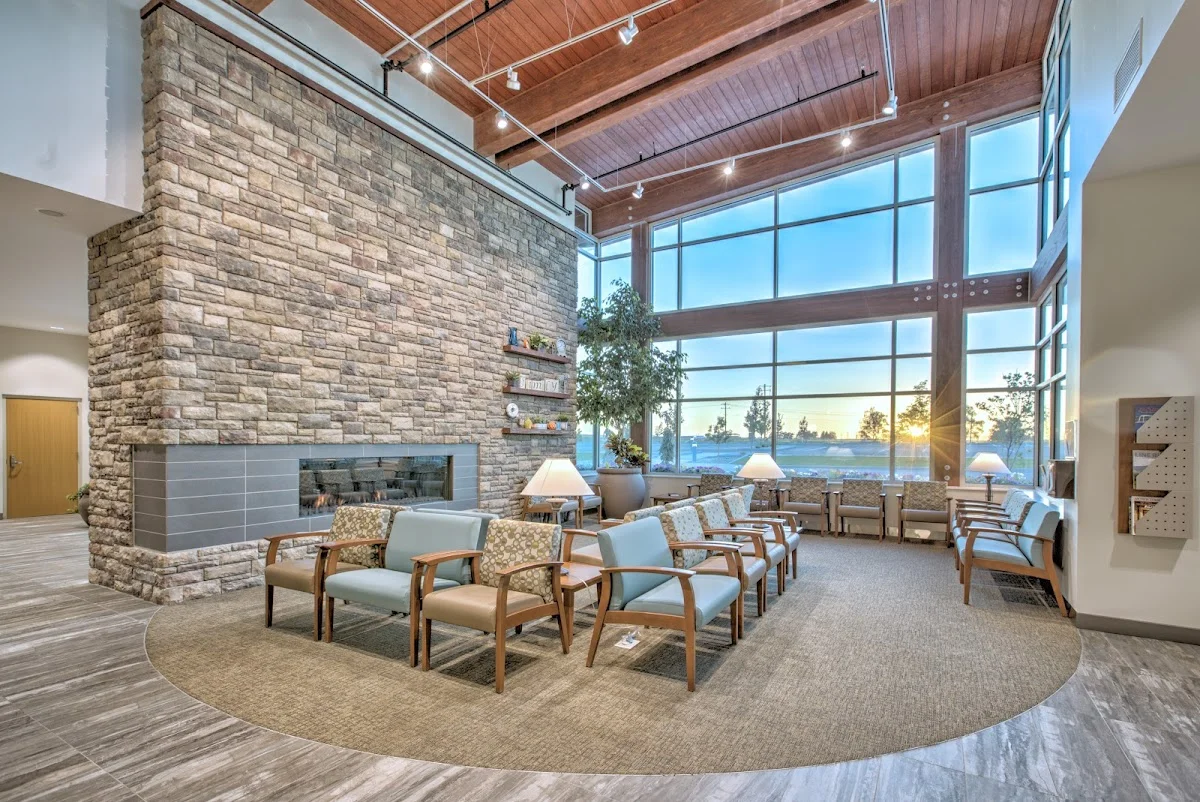
- Location and Amenities: Consider the location of the center and the amenities it offers. Some individuals prefer a secluded, peaceful setting, while others prefer a location closer to home. Amenities such as exercise facilities, recreational activities, and comfortable accommodations can enhance the treatment experience.
- Aftercare Planning: Aftercare is a critical component of successful recovery. Ensure the center offers comprehensive aftercare planning, including referrals to support groups, therapists, and other resources in the Idaho Falls area.
The Future of Addiction Treatment in Idaho Falls (2026)
The field of addiction treatment is constantly evolving. By 2026, expect to see the following trends in Idaho Falls and beyond:
- Increased Use of Technology: Telehealth and digital therapeutics will play an increasingly important role in addiction treatment. Individuals will have access to remote therapy, online support groups, and mobile apps to help them manage their recovery.
- Personalized Treatment Plans: Advances in genetics and neuroscience will allow for more personalized treatment plans. Treatment will be tailored to the individual's unique biological and psychological profile.
- Integration of Mental Health and Addiction Treatment: Co-occurring mental health disorders are common among individuals with addiction. Treatment centers will increasingly integrate mental health and addiction treatment services to address both issues simultaneously.
- Focus on Prevention: Prevention efforts will become more sophisticated, targeting at-risk populations and addressing the root causes of addiction. Community-based programs and educational initiatives will play a key role in preventing addiction.
- Medication-Assisted Treatment (MAT) Expansion: MAT, which involves the use of medications to reduce cravings and withdrawal symptoms, will become more widely available and accepted. MAT can be an effective tool for treating opioid and alcohol addiction.
Finding Help in Idaho Falls Now
While this guide looks toward 2026, resources are available today in Idaho Falls. Don't hesitate to reach out to local hospitals, mental health clinics, or support groups like Alcoholics Anonymous or Narcotics Anonymous. Early intervention is key to successful recovery.
Disclaimer: This information is intended for general guidance only and should not be considered a substitute for professional medical advice. Always consult with a qualified healthcare provider for diagnosis and treatment of addiction.
More Recovery Resources in Idaho Falls
Sober Network is a directory, not an intake form. Explore local facilities and contact providers directly.