
Dealing with a loved one's addiction can be an overwhelming and painful experience for families. Families often find themselves navigating a complex emotional landscape filled with confusion, fear, and uncertainty. Fortunately, Minneapolis, MN offers a range of resources and support systems designed to help families cope with these challenges. This article will explore various options available to families, including support groups, counseling, and practical strategies for fostering healing and growth.
Support Groups: Al-Anon and Nar-Anon
Support groups can be a lifeline for families affected by a loved one's addiction. Al-Anon and Nar-Anon are two organizations that offer support specifically for families and friends of individuals struggling with alcohol and drug addiction.
Al-Anon Family Groups
Al-Anon provides a safe space for family members to share their experiences and feelings in a non-judgmental environment. Meetings are held frequently throughout Minneapolis and can be found on their website. Participants learn to cope with the effects of someone else's drinking and find solace in shared experiences.
Nar-Anon Family Groups
Nar-Anon serves a similar purpose for those dealing with loved ones struggling with drug addiction. Like Al-Anon, it emphasizes the importance of connection and understanding. Nar-Anon meetings focus on sharing personal stories and strategies for dealing with the challenges of addiction.
Family Therapy and Counseling Options
Family therapy can be a vital resource for families looking to address the impact of addiction on their relationships. Licensed therapists in the Minneapolis area specialize in addiction-related issues and can help families develop healthier communication patterns and coping strategies.
- Individual Counseling: For those who may not feel comfortable in a group setting, individual therapy can provide tailored support.
- Family Therapy: This approach often involves all family members and aims to improve relationships while addressing the issues surrounding addiction.
- Couples Counseling: If addiction is affecting a romantic relationship, specialized couples therapy can help partners navigate their challenges.
How to Have the Conversation About Treatment
Approaching a loved one about seeking treatment can be daunting. Here are some compassionate tips to consider when initiating this important conversation:
- Choose the Right Time: Find a calm moment when emotions are less intense to discuss the topic.
- Be Honest but Gentle: Express your concerns and feelings without being confrontational.
- Focus on Love and Support: Emphasize that your goal is to help and support them, not to criticize.
- Provide Information: Be prepared with resources and information about treatment options.
Setting Healthy Boundaries vs. Enabling
One of the most challenging aspects of supporting a loved one with addiction is knowing where to draw the line between helping and enabling. Establishing healthy boundaries is crucial:
- Define Your Limits: Clearly identify what behaviors you will and will not tolerate.
- Communicate Boundaries: Share your boundaries with your loved one in a caring manner.
- Stick to Your Boundaries: Consistency is key; follow through with consequences if boundaries are crossed.
Self-Care for Family Members
Taking care of yourself is essential when supporting a loved one struggling with addiction. Here are some self-care strategies:
- Seek Support: Attend support groups or counseling to process your feelings.
- Engage in Healthy Activities: Exercise, hobbies, or creative outlets can provide relief and joy.
- Practice Mindfulness: Techniques such as meditation or yoga can help reduce stress.
- Stay Connected: Reach out to friends and family for emotional support.
Intervention Services
Sometimes, a structured intervention may be necessary to encourage a loved one to seek treatment. Professional interventionists can help families plan and execute this sensitive process. They can provide guidance on how to communicate effectively and compassionately during the intervention.
Family Programs at Treatment Centers
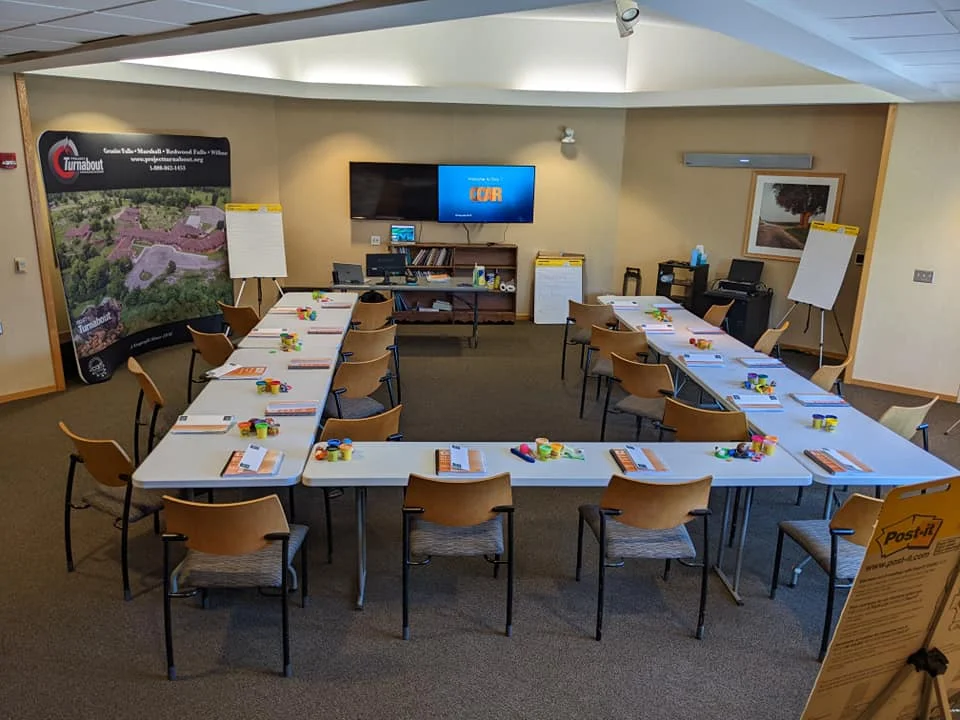
Many treatment centers in Minneapolis offer family programs that involve loved ones in the recovery process. These programs can include:
- Family Education: Learning about addiction and recovery can empower families to provide better support.
- Family Therapy Sessions: Engaging in therapy together can help heal relationships.
- Support Groups: Many treatment centers offer support groups for families as part of their programming.
CRAFT Method for Families
The Community Reinforcement and Family Training (CRAFT) method is an evidence-based approach designed to help families encourage their loved ones to seek treatment. It emphasizes positive reinforcement and practical tools for families to support their loved ones while also taking care of themselves.
Local Minneapolis Support Groups and Hotlines
In addition to Al-Anon and Nar-Anon, several local resources can provide support for families:
- Minneapolis Substance Use Hotline: A 24/7 hotline offering support and guidance.
- Local Counseling Centers: Many organizations offer sliding scale fees for therapy.
- Community Health Resources: Check with local health departments for additional support options.
It's important to remember that you are not alone in this journey. Seeking support and utilizing available resources can empower families to navigate the complexities of addiction together, fostering healing and hope for a brighter future.
More Recovery Resources in Minneapolis
Sober Network is a directory, not an intake form. Explore local facilities and contact providers directly.