
Choosing the right sober living home is a crucial step in the journey of recovery. In Idaho Falls, many options are available, but understanding what makes a quality home can help ensure that you or your loved one finds a supportive and safe environment. This guide will provide essential insights into selecting the right sober living home, including what to look for, what to avoid, and how to navigate the process with confidence.
What Makes a Quality Sober Living Home?
A quality sober living home offers a supportive environment that encourages recovery and personal growth. Here are key characteristics to consider:
- Structured Environment: A well-organized schedule that includes daily activities, group meetings, and individual counseling can help residents stay focused on their recovery.
- Supportive Community: A strong sense of community among residents fosters accountability and encouragement.
- Qualified Staff: Trained professionals should be available to provide guidance and support, helping residents navigate their recovery journey.
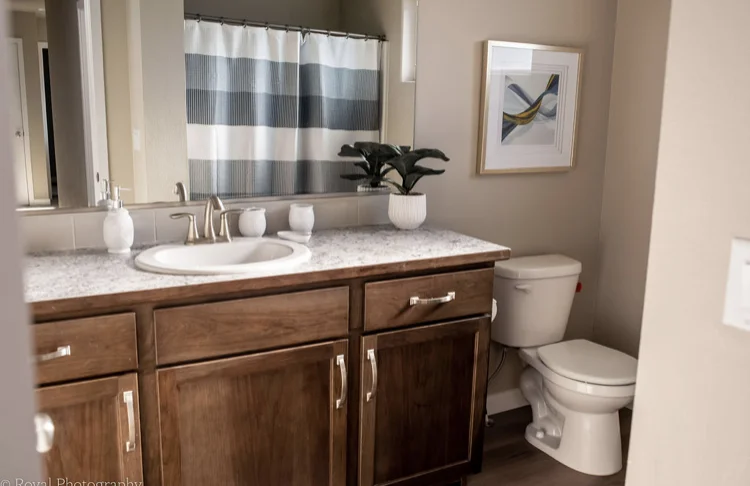
- Safety and Cleanliness: The home should be well-maintained, providing a safe and welcoming environment.
- Clear Rules and Expectations: A good sober living home will have clear policies regarding drug use, alcohol consumption, and behavior.
Red Flags to Avoid
While searching for a sober living home, be mindful of potential red flags that may indicate a less-than-ideal environment:
- Lack of Structure: Homes without a clear schedule or set rules may lead to an unproductive environment.
- Poor Maintenance: Homes that are not clean or well-kept may not prioritize the well-being of their residents.
- Unqualified Staff: Avoid homes where staff do not have the necessary training or certifications in addiction recovery.
- High Turnover Rates: Frequent changes in residents may signify underlying issues within the home.
Questions to Ask During Tours
When visiting potential sober living homes, asking the right questions can provide valuable insight into the environment:
- What is the house structure? Inquire about daily schedules, group meetings, and individual counseling options.
- What are the house rules? Understand the expectations regarding drug use, alcohol consumption, chores, and curfews.
- What support services are available? Ask about access to therapy, job assistance, and life skills training.
- What are the qualifications of the staff? Ensure that the staff has relevant experience and training in addiction recovery.
- What is the success rate of residents? Inquire about the home's track record in helping residents maintain sobriety.
House Rules and Expectations
Every sober living home will have its own set of house rules and expectations. Here are common elements you might encounter:
- No Substance Use: Zero tolerance for drugs and alcohol is a fundamental rule in any sober living environment.
- Curfew: Many homes enforce a curfew to promote responsibility and accountability.
- Chores: Residents are often expected to contribute to household maintenance through assigned chores.
- Attendance at Meetings: Participation in group meetings or 12-step programs is usually required.
- Respect for Others: A culture of mutual respect and support is essential for a healthy living environment.
Cost and Financial Assistance
The cost of sober living homes can vary widely based on location and amenities. Here are some options to consider:
- Insurance Coverage: Check with your insurance provider to see if they cover sober living costs.
- Sliding Scale Fees: Some homes offer fees based on income, making them more accessible.
- Payment Plans: Ask if the facility offers flexible payment plans to ease financial burdens.
- Local Grants or Scholarships: Research local organizations that may provide financial assistance for those in recovery.
The Difference Between Level 1 and Level 2 Sober Homes
Sober living homes are often categorized into Level 1 and Level 2 based on the level of support they provide:
- Level 1: Generally, these homes offer a more relaxed atmosphere with less structure. They may be suitable for individuals who have completed a treatment program and are transitioning into independent living.
- Level 2: These homes provide a higher level of support and structure, often including mandatory group meetings and counseling sessions. They are ideal for individuals needing more support in their recovery journey.
How to Find Certified Sober Homes in Idaho Falls
Finding certified sober homes involves research and outreach. Here are steps to guide you:
- Online Directories: Utilize directories that list certified sober living homes in Idaho Falls.
- Local Treatment Centers: Reach out to nearby rehabilitation centers for recommendations.
- Support Groups: Connect with local recovery support groups to gather insights and referrals.
- State Resources: Check with state health departments for a list of licensed sober living facilities.
Success Tips for Sober Living
Transitioning to sober living can be challenging, but following these tips can enhance your success:
- Stay Engaged: Participate actively in group meetings and activities to build connections.
- Set Personal Goals: Establish achievable goals to focus your recovery efforts.
- Communicate Openly: Share your thoughts and feelings with housemates and staff to foster a supportive environment.
- Seek Additional Support: Don’t hesitate to reach out for professional help if needed.
- Embrace Change: Stay open to new experiences and personal growth opportunities.
Choosing the right sober living home in Idaho Falls is a vital step in maintaining long-term sobriety. By considering the factors outlined in this guide, you can make an informed decision that supports your recovery journey.
More Recovery Resources in Idaho Falls
Sober Network is a directory, not an intake form. Explore local facilities and contact providers directly.