
Understanding Cravings and Their Impact
Cravings are a common and challenging aspect of addiction recovery. They can arise unexpectedly and often lead individuals to question their progress. However, understanding how to manage these cravings is crucial for long-term recovery. In this guide, we will explore evidence-based strategies to help you handle cravings effectively right here in Minneapolis.
Why Cravings Occur
Cravings occur as a result of various factors, including:
- Biological Factors: Changes in brain chemistry can trigger cravings. Substance use alters the brain's reward system, making it more sensitive to cues associated with drug use.
- Environmental Triggers: Certain places, people, or situations can evoke strong cravings. For example, walking past a bar in the North Loop may remind you of past drinking experiences.
- Emotional States: Stress, anxiety, and other emotions can lead to cravings. Many individuals seek substances as a way to cope with these feelings.
Evidence-Based Strategies for Managing Cravings
Here are several evidence-based strategies you can implement to handle cravings effectively:
1. Mindfulness and Meditation
Practicing mindfulness can help you become more aware of your cravings without acting on them. Techniques such as meditation, deep breathing, and body scanning can reduce the intensity of cravings.
Consider joining a local mindfulness group in Minneapolis, like those offered at The Center for Mindfulness, where you can learn effective techniques in a supportive community.
2. Cognitive Behavioral Therapy (CBT)
CBT is a therapeutic approach that helps individuals identify and change negative thought patterns that contribute to cravings. By understanding the triggers and developing coping strategies, you can reduce the likelihood of giving in to cravings.
Local resources, such as NorthPoint Health & Wellness Center, offer CBT sessions tailored to those in recovery. Reaching out for professional help can make a significant difference.
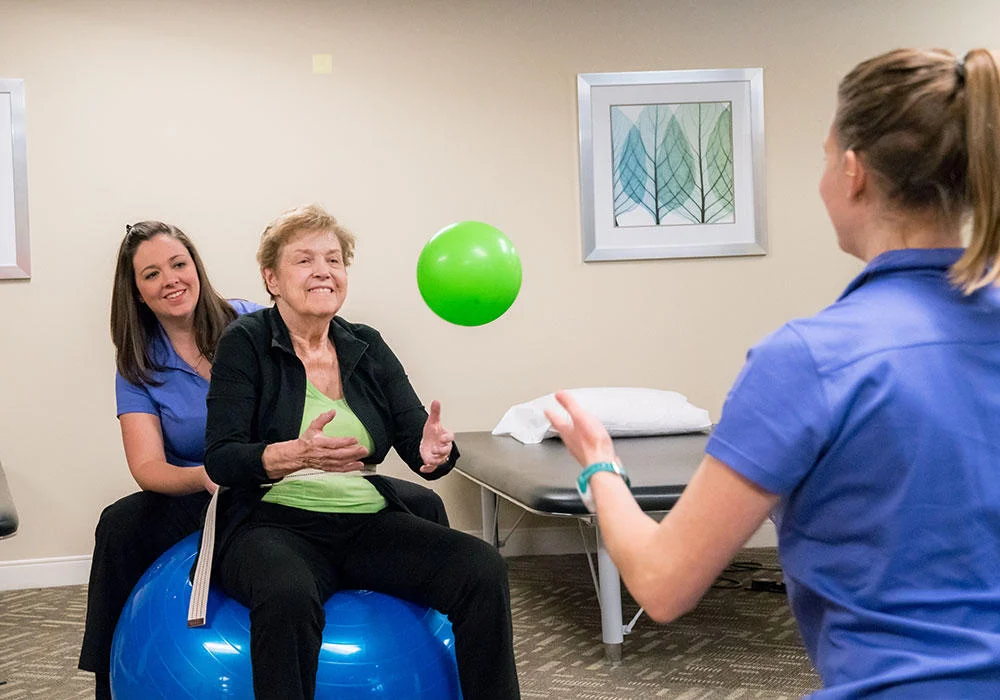
3. Engage in Physical Activity
Exercise has been shown to decrease cravings by releasing endorphins that improve mood and reduce stress. Whether it’s a brisk walk along the Mississippi River or a yoga class at a local studio, engaging in physical activity can be a powerful tool in your recovery.
Consider joining community fitness classes at Minneapolis Parks and Recreation to stay active and connected with others.
4. Create a Craving-Response Plan
Having a well-thought-out plan can empower you to manage cravings when they arise. Your plan might include:
- Identifying your triggers.
- Practicing coping strategies like calling a friend or engaging in a hobby.
- Setting a timer for 20 minutes to ride out the craving before taking further action.
Write down your plan and keep it handy for those moments when cravings strike.
5. Build a Support Network
Connecting with others who understand your journey can provide immense support. Consider joining local support groups, such as those offered by SMART Recovery Minneapolis or Alcoholics Anonymous (AA), where you can share experiences and coping strategies with peers.
6. Nutrition and Hydration
A balanced diet and proper hydration can significantly impact your mood and energy levels. Cravings can sometimes be exacerbated by hunger or dehydration. Make sure to consume a diet rich in whole foods, and stay hydrated by drinking plenty of water throughout the day.
7. Avoid High-Risk Situations
To manage cravings effectively, it’s essential to avoid places or situations that might lead to substance use. This may mean steering clear of certain events or social situations, especially during the early stages of recovery.
Plan activities in sober environments, such as visiting local parks, art galleries, or coffee shops with supportive friends.
Local Resources in Minneapolis
Minneapolis is home to numerous resources that can assist you in your recovery journey:
- Hazelden Betty Ford Foundation: A nationally recognized treatment center with locations in the Minneapolis area.
- NorthPoint Health & Wellness Center: Offers a variety of addiction services, including counseling and support groups.
- Minneapolis Recovery Center: Provides outpatient treatment and support for individuals seeking recovery.
Conclusion
Handling cravings is a challenging but manageable aspect of recovery. By employing these evidence-based strategies, you can empower yourself to face cravings with confidence. Remember, you are not alone on this journey, and there is support available in Minneapolis to help you thrive.
If you or someone you know is struggling with addiction, reach out to local resources or consider speaking with a healthcare professional about your options. Recovery is possible, and a fulfilling life awaits you!
Disclaimer: This article is for informational purposes only and is not a substitute for professional medical advice, diagnosis, or treatment. Always seek the advice of your physician or other qualified health provider with any questions you may have regarding a medical condition.
More Recovery Resources in Minneapolis
Sober Network is a directory, not an intake form. Explore local facilities and contact providers directly.