
Embarking on the journey of addiction recovery is a courageous step, and understanding the detox process can help ease some of the anxiety associated with it. In Minneapolis, MN, medical detox is a critical component for many individuals seeking to overcome substance use disorders. This guide will provide you with a detailed overview of what to expect during medical detox, including comparisons to home detox, withdrawal timelines for various substances, medications used, daily routines, preparation tips, and information on accredited detox centers in the area.
Medical Detox vs. Home Detox
When considering detox options, it is essential to understand the differences between medical and home detox:
- Medical Detox: This process occurs in a clinical setting, supervised by healthcare professionals. It includes monitoring vital signs, managing withdrawal symptoms, and providing medications as needed to ensure safety and comfort.
- Home Detox: This approach involves individuals trying to detoxify in their own homes without medical supervision. While it may seem appealing, it can be risky due to potential complications and severe withdrawal symptoms.
Withdrawal Timelines
Withdrawal symptoms can vary significantly depending on the substance and the individual's history of use. Here’s a general timeline for alcohol, opioids, and benzodiazepines:
Alcohol
- 6-12 hours: Mild symptoms such as anxiety, insomnia, and tremors may begin.
- 24-48 hours: More severe symptoms can occur, including increased heart rate, blood pressure, and potential seizures.
- 72 hours: The peak of withdrawal symptoms may occur, including delirium tremens (DTs) in severe cases, which can be life-threatening.
Opioids
- 12-24 hours: Early symptoms like muscle aches, anxiety, and insomnia may appear.
- 1-3 days: Symptoms peak within this timeframe, including nausea, vomiting, diarrhea, and intense cravings.
- 1 week: Most physical symptoms begin to subside, but psychological cravings can persist.
Benzodiazepines
- 1-2 days: Symptoms may start with anxiety and insomnia.
- 3-7 days: Withdrawal symptoms can intensify, including confusion, seizures, and hallucinations.
- 2 weeks: Symptoms may gradually decrease but can linger for longer periods in some individuals.
Medications Used During Detox
During medical detox, various medications may be utilized to alleviate withdrawal symptoms and reduce cravings. Common medications include:
- For Alcohol: Benzodiazepines (e.g., Lorazepam) to manage withdrawal symptoms, and Naltrexone to reduce cravings post-detox.
- For Opioids: Methadone or Buprenorphine to ease withdrawal symptoms and cravings, and Naloxone for emergency overdose situations.
- For Benzodiazepines: Tapering off with other benzodiazepines or using anticonvulsants to manage seizures.
A Typical Day in Detox
A typical day in a medical detox facility may include:
- Morning: Vital sign checks, medication administration, and a nutritious breakfast.
- Group Therapy: Participation in group sessions to share experiences and learn coping strategies.
- Individual Counseling: One-on-one sessions with a therapist to address personal challenges and goals.
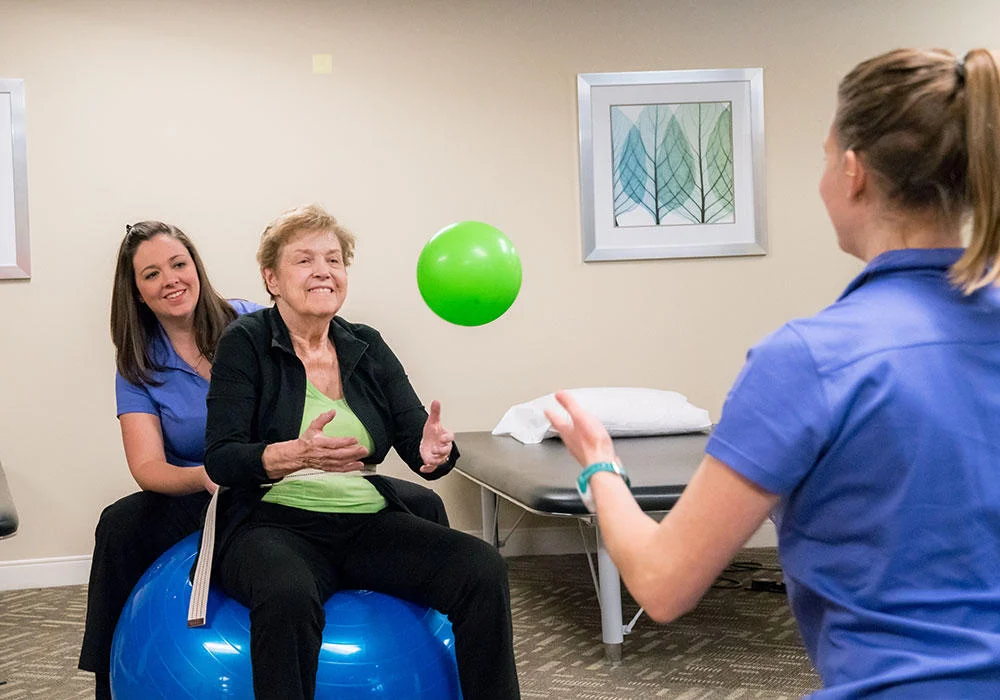
- Physical Activity: Engaging in light exercise or mindfulness practices to promote well-being.
- Evening: Reflection time, journaling, and preparing for the next day.
Preparing for Detox
Preparation can significantly impact the detox experience for both individuals and their loved ones. Here are some tips:
- Educate Yourself: Understand the detox process and what to expect.
- Communicate: Talk openly with your loved one about their feelings and fears regarding detox.
- Plan Logistics: Arrange transportation to and from the detox center and ensure any necessary items are packed.
- Provide Support: Offer emotional support and reassure them they are not alone in their journey.
When Detox is Medically Necessary vs. Optional
Medical detox is often necessary when:
- A person has a history of severe withdrawal symptoms.
- They have been using substances in high doses or for extended periods.
- There is a co-occurring mental health disorder that complicates withdrawal.
Detox may be optional when withdrawal symptoms are mild, and the individual has a strong support system in place.
What Happens After Detox?
After completing detox, individuals are encouraged to enter a rehabilitation program. This phase focuses on:
- Developing coping strategies to avoid relapse.
- Participating in therapy to address underlying issues related to substance use.
- Building a support network through group therapy and community programs.
Finding Accredited Detox Centers in Minneapolis
When searching for accredited detox centers, consider the following resources:
- Visit the Substance Abuse and Mental Health Services Administration (SAMHSA) website for a list of licensed facilities.
- Seek recommendations from healthcare providers or support groups in the community.
- Ensure the facility is accredited by organizations like the Joint Commission or the National Association of Addiction Treatment Providers.
Taking the step towards medical detox is a significant move towards recovery, and understanding the process can help ease the transition. With the right support and resources, individuals can navigate detox safely and begin their journey towards a healthier, substance-free life.
More Recovery Resources in Minneapolis
Sober Network is a directory, not an intake form. Explore local facilities and contact providers directly.