

Los Angeles · 461 directory resources
Find a safe place
to begin again.
Browse sober living, detox, treatment, outpatient care, and meetings across Los Angeles, with photos, public ratings, and direct contact details where available. Confirm current details with providers.
Detailed listingsSource notesFree to browse
“They are being fulfilled among us — sometimes quickly, sometimes slowly. They will always materialize if we work for them.”
“They are being fulfilled among us — sometimes quickly, sometimes slowly. They will always materialize if we work for them.” — Alcoholics Anonymous (1939) · Chapter 6 · Into ActionWhere it comes from
The closing lines of the Promises in Chapter 6 — the part that answers the skeptic in the room.
Today’s reflection“Are these extravagant promises? We think not.” The book anticipated your doubt by ninety years. But the honest part is the timing clause: sometimes quickly, sometimes slowly. Some promises show up in week two; some take years and arrive unannounced. Comparing your timeline to someone else’s is just resentment with a calendar. The only condition attached is in the last five words: if we work for them.
Read the original passage · Into Action, 1939 →Patience · TrustQuote from the 1939 first edition of Alcoholics Anonymous (public domain). Reflection provided by Sober Network and shared across its directories. This site is independent and not affiliated with or endorsed by Alcoholics Anonymous World Services, Inc.
Copied — paste it anywhere
Los Angeles · 461 directory resources
Find a safe place to begin again.
Browse sober living, detox, treatment, outpatient care, and meetings across Los Angeles, with photos, public ratings, and direct contact details where available. Confirm current details with providers.
Directory snapshot461local recovery resources in Los Angeles
SN
Sober living optionsPhotos where available, reviews, direct contact
Directory94homes
367care programs
935+meetings
Sober Living in Los Angeles
Browse all
Sober LivingDirectory record
Bodhi Casa Recovery Services5.0(95)
Santa Monica, CA
Call for availability
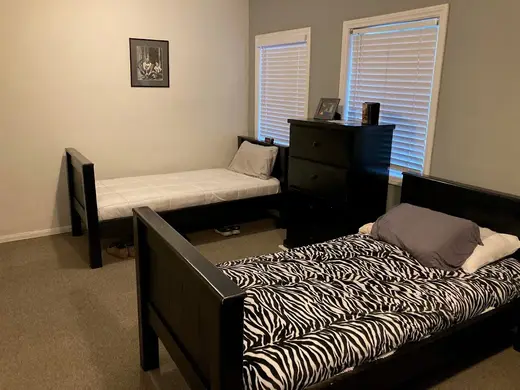
Sober LivingDirectory record
Los Angeles, CA
Call for availability
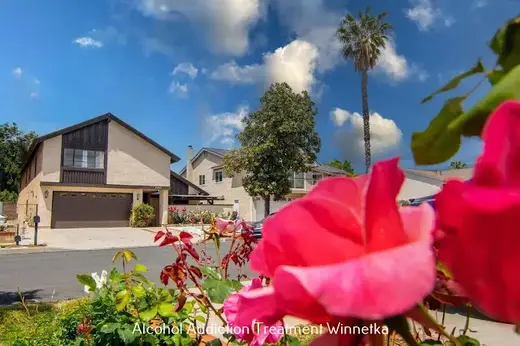
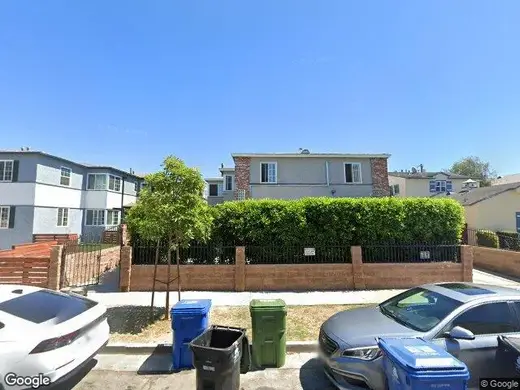
Sober LivingDirectory record
Los Angeles, CA
Call for availability
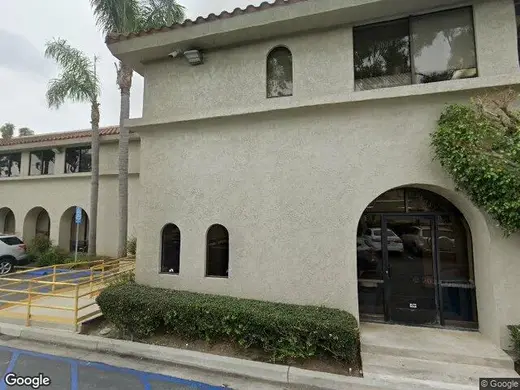
Sober LivingDirectory record
Huntington Beach, CA
Call for availability
Sober LivingDirectory record
Redondo Beach, CA
Call for availability
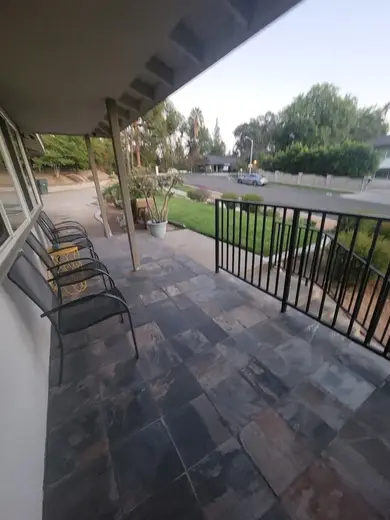
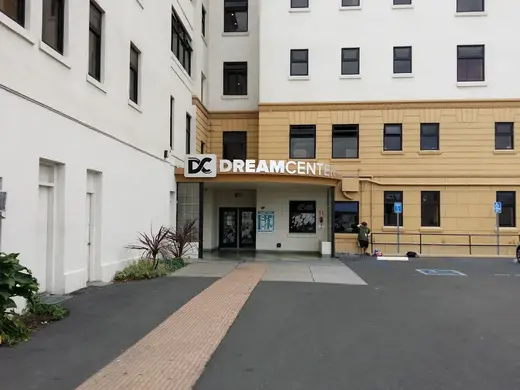
Detox Centers in Los Angeles
Browse all
DetoxNPI registry match
Woodland Hills, CA
Call to verify openings
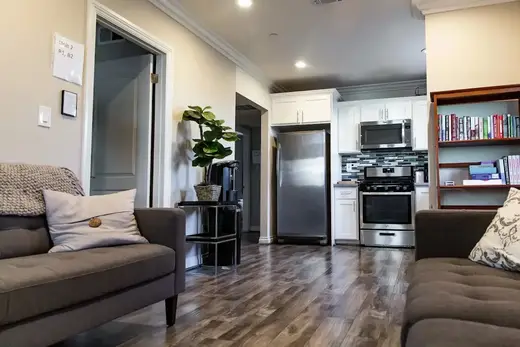
DetoxDirectory record
Los Angeles, CA
Call to verify openings

DetoxDirectory record
Los Angeles, CA
Call to verify openings
DetoxDirectory record
Newport Beach, CA
Call to verify openings

DetoxDirectory record
Los Angeles, CA
Call to verify openings
Treatment Centers in Los Angeles
Browse all
TreatmentNPI registry match
Woodland Hills, CA
Call to verify openings
TreatmentDirectory record
Los Angeles, CA
Call to verify openings
TreatmentDirectory record
Los Angeles, CA
Call to verify openings
TreatmentDirectory record
The Detox Center Of Los Angeles5.0(112)
Los Angeles, CA
Call to verify openings
TreatmentDirectory record
Sherman Oaks, CA
Call to verify openings
Outpatient & Day Programs in Los Angeles
Browse all
IOPDirectory record
Los Angeles, CA
Call to verify openings
IOPDirectory record
Los Angeles, CA
Call to verify openings
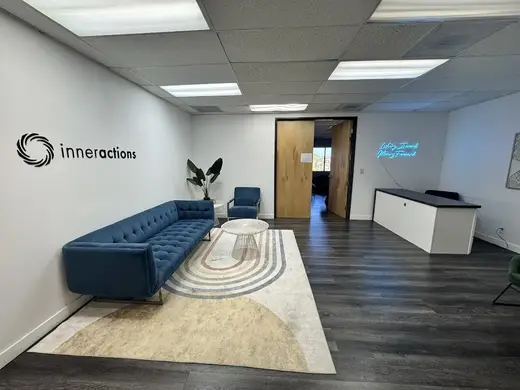
IOPDirectory record
Encino, CA
Call to verify openings
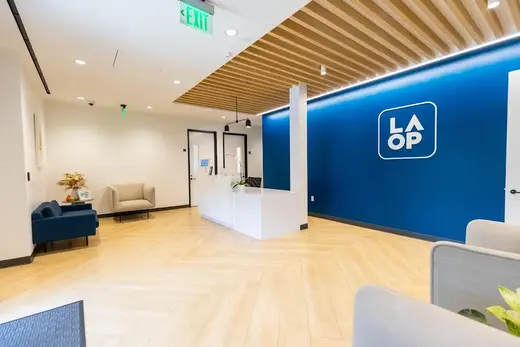
IOPDirectory record
Culver City, CA
Call to verify openings

PHPNPI registry match
Los Angeles, CA
Call to verify openings
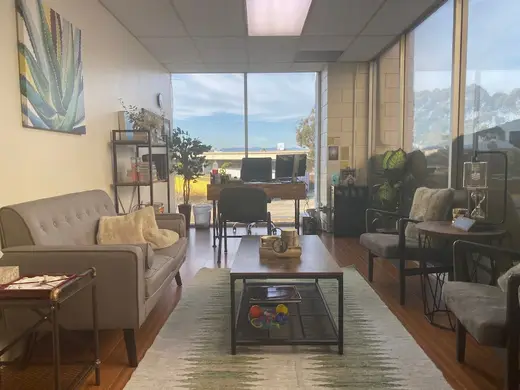
PHPDirectory record
Los Angeles, CA
Call to verify openings
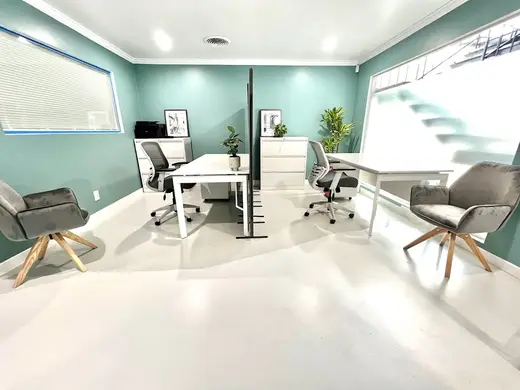
PHPDirectory record
Los Angeles, CA
Call to verify openings
Comparing options in Los Angeles?Get the free checklist: 5 questions to ask any facility before you call — plus the red flags to watch for.
Prefer to talk one-on-one?
Addiction specialists across LA — therapists, psychologists, and counselors who work with people in recovery and their families.
DUI/DWI & Drug Education Courses in Los Angeles
Browse all

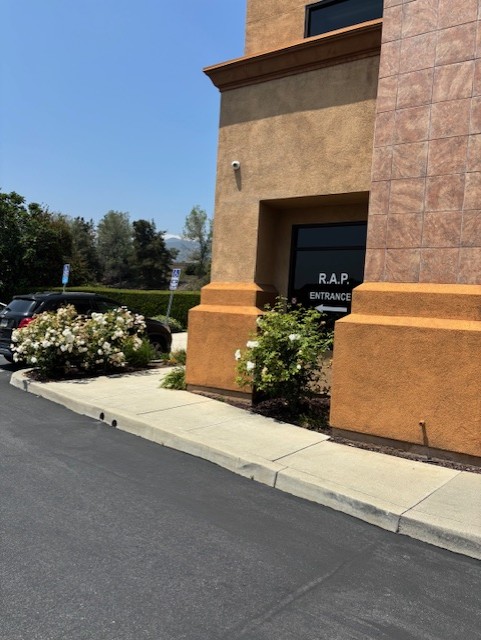
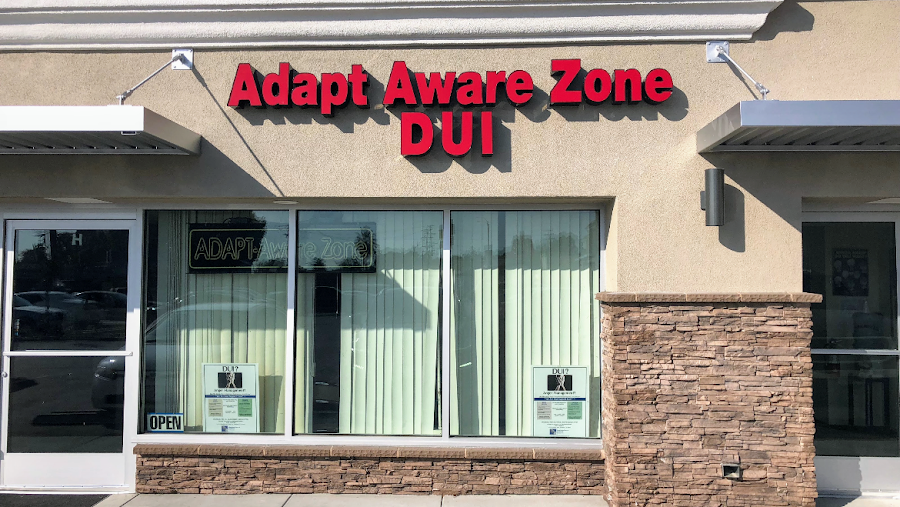
Rehabilitation Alcohol Program, Inc.
5.0La Verne, CA
First Offender DUI Program + 18-Month DUI Program
Call nowFor course providers
Run a DUI school in Los Angeles?
Get featured placement in this row free for 30 days. No card to start, then $5/month only if you keep it.
Start 30 days free →AA Meetings in Los Angeles
Browse all935+weekly meetings
Browse by day, time, format, and neighborhood
OpenBig BookSpeaker
Find
How long have you been sober?
Enter your sobriety date to see your day count, and get a short weekly recovery note with Los Angeles meetings and resources. Free, no spam, one-tap unsubscribe.
Getting help in Los Angeles: a local guide
94Sober living homes listed here
69Detox centers listed here
271Treatment programs listed here
903Weekly AA meetings listed here
The AA schedule on this page comes from the San Fernando Valley AA Central Office's public meeting list, so it's strongest for the Valley; the Los Angeles Central Office lists meetings across the rest of the city at lacoaa.org. Of the meetings here, 190 meet online, 116 are hybrid and 231 are Spanish-language. Times change, so confirm with the group before you go.
Sober living in California: what's licensed and what isn't
The California Department of Health Care Services (DHCS) doesn't license sober living homes that only provide housing. A home that provides treatment or recovery services, such as counseling sessions or detox, needs a DHCS license, and local permits or fees may also apply.
Certification is voluntary. CCAPP (the California Consortium of Addiction Programs and Professionals), California's affiliate of the National Alliance for Recovery Residences, certifies recovery residences; you can search certified homes by ZIP code.
The Sober Living Network, a nonprofit network of Southern California sober living coalitions, says its member homes go through an inspection and staff-training process. Its referral line, (800) 799-2084 (9 a.m. to 7 p.m. Pacific), covers Los Angeles, Orange, Riverside, San Bernardino and San Diego counties.
To check a treatment program, use DHCS's list of licensed and certified facilities.
Public treatment in LA County
Call LA County's 24/7 Help Line for mental health and substance use at (800) 854-7771. Online, SUDHelpLA.org, the county's Service & Bed Availability Tool, shows openings at county-contracted outpatient, intensive outpatient, residential, withdrawal management (detox) and opioid treatment programs; RecoverLA.org is a mobile-friendly version.
The county says its substance use treatment is available at no cost to eligible people regardless of legal status, though some Medi-Cal members may have a share of cost. Its Recovery Bridge Housing program offers abstinence-focused, peer-supported interim housing for people who are homeless or unstably housed while they're enrolled in outpatient, intensive outpatient, opioid treatment or outpatient withdrawal management care.
Crisis and support lines
- In immediate danger, call 911.
- 988 Suicide & Crisis Lifeline: call or text 988, any time.
- LA County 24/7 Help Line for mental health and substance use: (800) 854-7771.
- SAMHSA National Helpline: 1-800-662-HELP (4357), free and confidential treatment referral, 24/7, in English and Spanish (TTY 1-800-487-4889), or text your ZIP code to 435748.
AA in Los Angeles
The Los Angeles Central Office of AA offers help 24/7 at 1-323-936-4343 and lists meetings at lacoaa.org.
Naloxone (Narcan)
Naloxone reverses an opioid overdose. The FDA has allowed naloxone nasal spray to be sold without a prescription since 2023. In California, people with Medi-Cal or Medicare can get naloxone with a prescription, participating pharmacies can supply it without one, and LA County Public Health lists community naloxone access points.
Before you move into a sober home
- Is the home CCAPP-certified or a Sober Living Network member? Ask to see proof.
- What does rent cover, what's due at move-in, and is any of it refundable?
- What are the house rules (curfew, chores, meetings, guests), and what happens after a relapse?
- How and how often is drug testing done?
- Does the home accept residents who take medication for addiction treatment, such as buprenorphine, methadone or naltrexone?
- Can you read the written resident agreement before you pay?
Be wary of anyone who offers free rent, travel or cash to get you into a particular program. Paying or accepting kickbacks for referrals to recovery homes and treatment facilities is a federal crime (18 U.S.C. § 220).
Sources
- California DHCS: licensing and certification complaints
- California DHCS: directories for substance use disorder services
- NARR: California affiliate (CCAPP)
- CCAPP: recovery residence search
- Sober Living Network: referrals
- LA County Department of Mental Health
- LA County Public Health: treatment access news release
- LA County Public Health: Substance Abuse Prevention and Control
- LA County SAPC: Recovery Bridge Housing
- SAMHSA: 988 Suicide & Crisis Lifeline
- SAMHSA: National Helpline
- Los Angeles Central Office of AA
- FDA: first over-the-counter naloxone nasal spray
- LA County SAPC: overdose prevention and naloxone
- 18 U.S.C. § 220 (Cornell LII)
Audio Library
Speaker talks, Big Book chapters & transcripts
Recovery Books
Read the literature online



Other Recovery Pathways
Many people start with AA or NA. This section helps compare other established recovery communities, tools, and support styles.
Secular

Mindfulness

Faith
Secular

Women

Activities

MAT
Cultural

Directory note: Sober Network links to official program locators and literature. We do not run these meetings or provide medical advice. Program marks are shown for identification only; no affiliation or endorsement is implied. Harm-reduction and moderation resources should not imply moderation is safe for everyone.
Paying for treatment
Check coverage before choosing treatment.
Coverage depends on the plan, provider, service, and medical-necessity rules. Ask both the facility and your insurer about network status, authorization, and your expected cost.
Browse treatment optionsExamples to ask about
AetnaBlue CrossCignaUnitedHealthcareMedi-CalMedicare
Coverage varies by plan and facility. Sober living homes are usually private pay.
Recovery Blog
Stories, tips & guidance

Sober Living in Los Angeles: A Guide to Supportive Recovery Homes
Aug 22, 2026

Los Angeles Detox Helpline: How to Find Drug & Alcohol Rehab Fast
Jun 12, 2026

Free Addiction Treatment in Los Angeles: Your Path to Recovery
Apr 19, 2026

Los Angeles Drug Rehab That Accepts Insurance: 2026 Coverage Guide
Apr 16, 2026

Sober Living in the San Fernando Valley Los Angeles: 2026 Guide
Apr 16, 2026

Women's Sober Living Homes in Los Angeles CA: 2026 Complete Guide
Apr 16, 2026
Explore Recovery by City
All cities


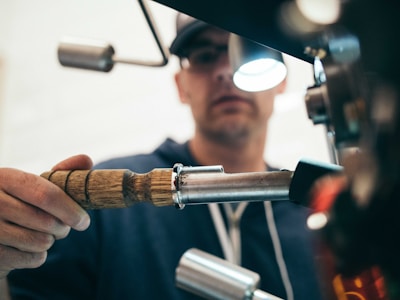



Overdose Trends in Los Angeles
CDC provisional county context for Los Angeles County
12-month count
1,810
Latest CDC period: Mar 31, 2026
Year over year
+1.9%
Similar to prior year
Pending review
0.3%
Records pending investigation
CDC reports provisional drug overdose deaths by county of residence, not by city. Counts may be incomplete and can change as death records are finalized; counts from 1-9 are suppressed under NCHS confidentiality standards. CDC file published Oct 4, 2026.
Los Angeles Crisis Resources
Local help available now
Live data report
The State of Recovery in Los Angeles
Real counts from our directory, federal SAMHSA and CMS registries, public meeting guides, and the CDC — published openly from live tables and scheduled source refreshes.
461directory records
935weekly AA meetings