



Secular
Miami · 256 directory resources
Find a safe place
to begin again.
Browse sober living, detox, treatment, outpatient care, and meetings across Miami, with photos, public ratings, and direct contact details where available. Confirm current details with providers.
Detailed listingsSource notesFree to browse
“At some of these we balked. We thought we could find an easier, softer way. But we could not.”
“At some of these we balked. We thought we could find an easier, softer way. But we could not.” — Alcoholics Anonymous (1939) · Chapter 5 · How It WorksWhere it comes from
Chapter 5, immediately after “any length” — the book naming the detour every alcoholic tries first.
Today’s reflectionEvery one of us shopped for the easier, softer way first: the switch to beer, the new city, the rules about only-after-five. The founders tried them all too — that’s how they could write “but we could not” with such calm. There’s real relief in retiring the search. The hard way turned out to be the only way, which makes it, in the end, the easy one. Tomorrow: Step One.
Read the original passage · How It Works, 1939 →HonestyQuote from the 1939 first edition of Alcoholics Anonymous (public domain). Reflection provided by Sober Network and shared across its directories. This site is independent and not affiliated with or endorsed by Alcoholics Anonymous World Services, Inc.
Copied — paste it anywhere
Miami · 256 directory resources
Find a safe place to begin again.
Browse sober living, detox, treatment, outpatient care, and meetings across Miami, with photos, public ratings, and direct contact details where available. Confirm current details with providers.
Directory snapshot256local recovery resources in Miami
SN
Sober living optionsPhotos where available, reviews, direct contact
Directory35homes
221care programs
698+meetings
Sober Living in Miami
Browse all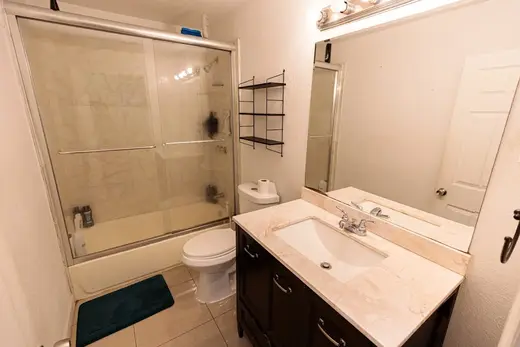
Sober LivingDirectory record
Fort Lauderdale, FL
Call for availability
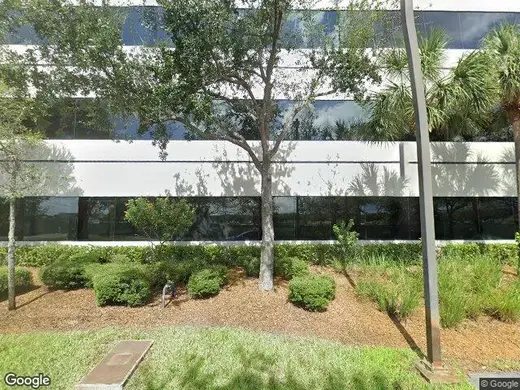
Sober LivingDirectory record
Miami Lakes, FL
Call for availability
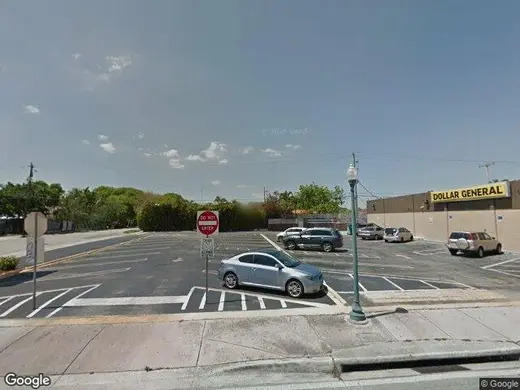
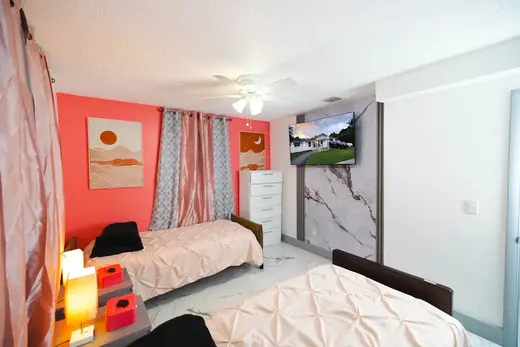
Sober LivingDirectory record
Cutler Bay, FL
Call for availability
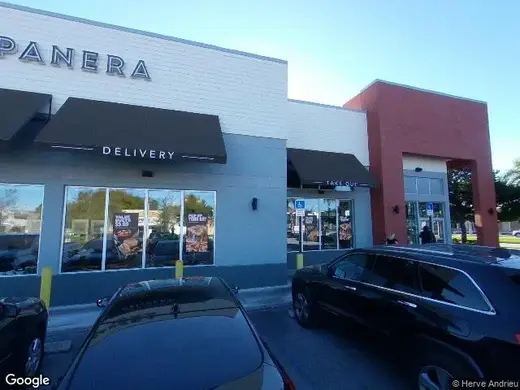
Sober LivingDirectory record
Cutler Bay, FL
Call for availability
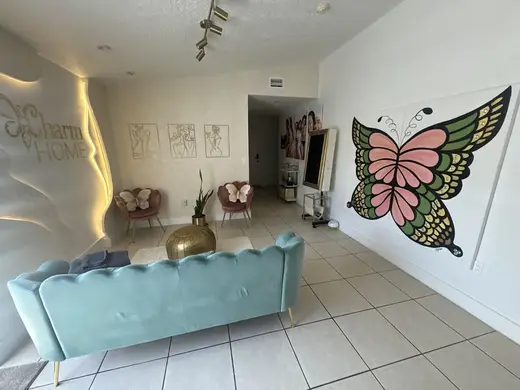
Sober LivingDirectory record
Miami, FL
Call for availability
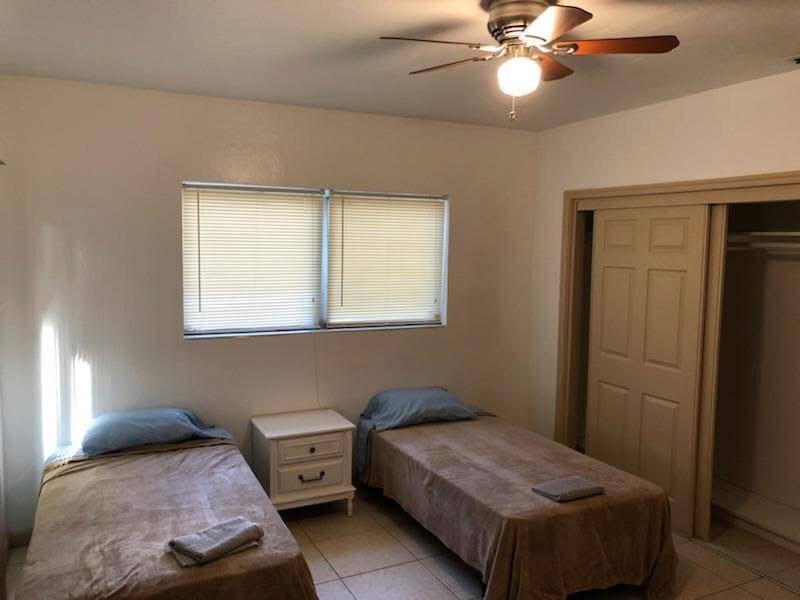
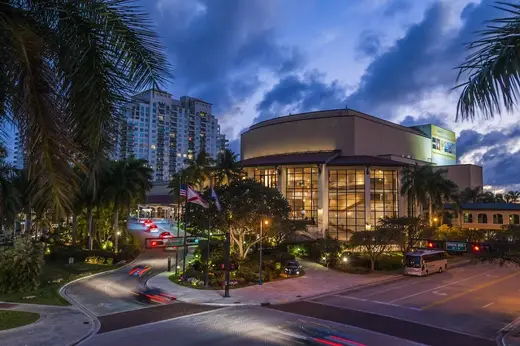
Sober LivingDirectory record
Cleveland House Sober Living4.7(5,693)
Fort Lauderdale, FL
Call for availability
Detox Centers in Miami
Browse all
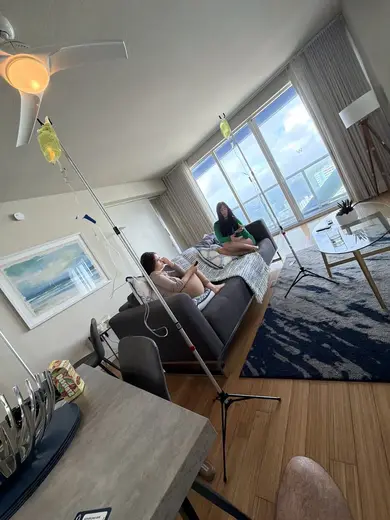
DetoxDirectory record
Miami, FL
Call to verify openings
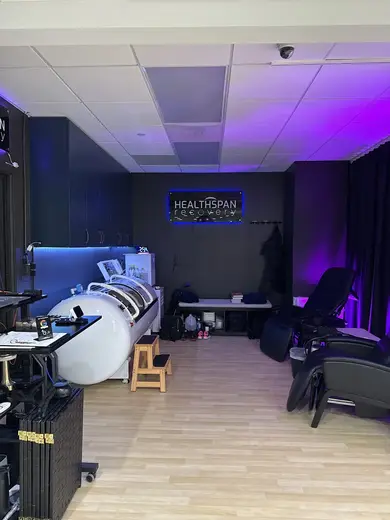
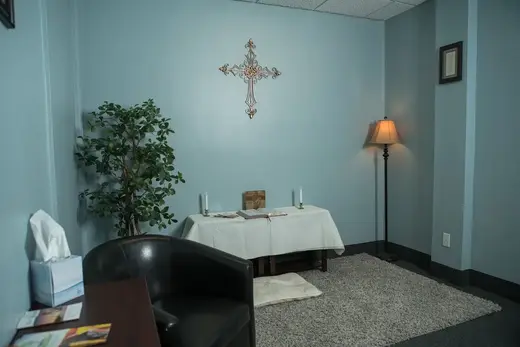
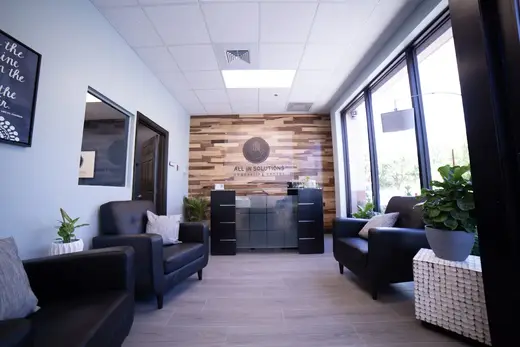
DetoxNPI registry match
Boynton Beach, FL
Call to verify openings
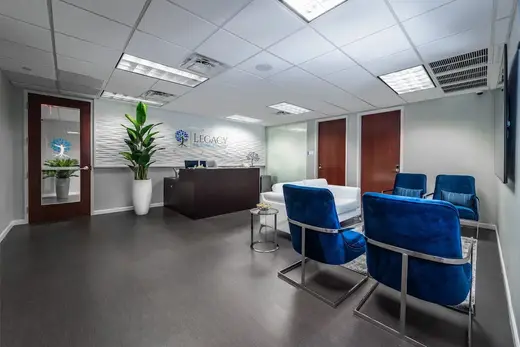
DetoxDirectory record
Fort Lauderdale, FL
Call to verify openings
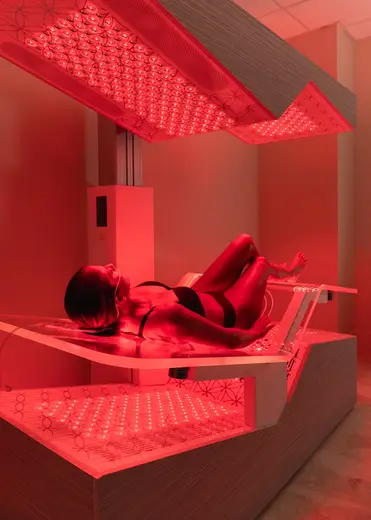
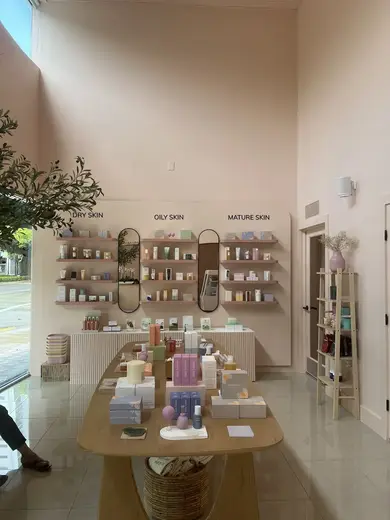
Treatment Centers in Miami
Browse all
TreatmentDirectory record
Miami, FL
Call to verify openings
TreatmentNPI registry match
Miami, FL
Call to verify openings
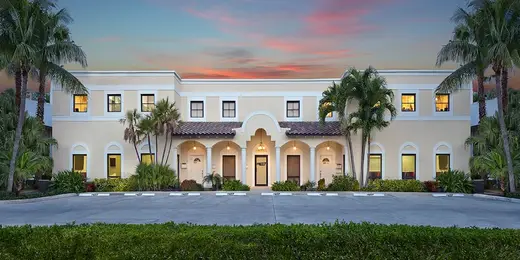
TreatmentDirectory record
Delray Beach, FL
Call to verify openings
TreatmentNPI registry match
Pompano Beach, FL
Call to verify openings
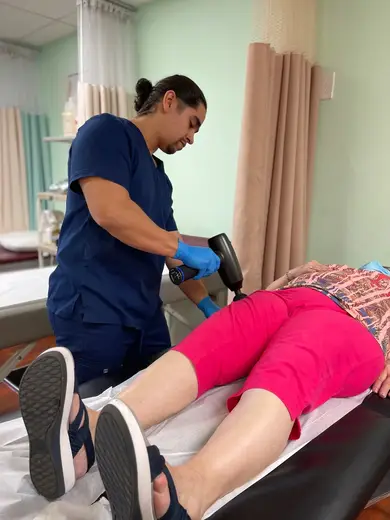
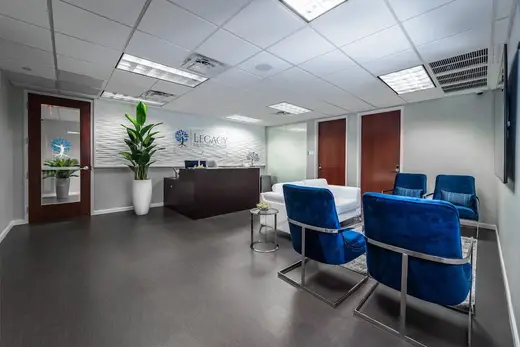
TreatmentNPI registry match
Fort Lauderdale, FL
Call to verify openings
Outpatient & Day Programs in Miami
Browse all
IOPNPI registry match
Miami, FL
Call to verify openings
IOPDirectory record
Pompano Beach, FL
Call to verify openings
IOPDirectory record
Miami Beach, FL
Call to verify openings
PHPNPI registry match
South Miami, FL
Call to verify openings
PHPNPI registry match
Miami Gardens, FL
Call to verify openings
Comparing options in Miami?Get the free checklist: 5 questions to ask any facility before you call — plus the red flags to watch for.
Prefer to talk one-on-one?
Addiction specialists across Miami — therapists, psychologists, and counselors who work with people in recovery and their families.
AA Meetings in Miami
Browse all698+weekly meetings
Browse by day, time, format, and neighborhood
OpenBig BookSpeaker
Find
How long have you been sober?
Enter your sobriety date to see your day count, and get a short weekly recovery note with Miami meetings and resources. Free, no spam, one-tap unsubscribe.
Getting help in Miami: a local guide
35Sober living homes listed here
94Detox centers listed here
103Treatment programs listed here
677Weekly AA meetings listed here
Of the Miami-area AA meetings listed here, 21 are women's meetings and 223 are held in Spanish. Times change, so confirm with the group before you go.
Sober homes in Florida: certification is voluntary, but it matters
A sober home (Florida law calls it a recovery residence) doesn't need certification to operate. Under section 397.487 of the Florida Statutes, certification is voluntary, and the Department of Children and Families (DCF) has approved the Florida Association of Recovery Residences (FARR) to certify homes. FARR, the state affiliate of the National Alliance for Recovery Residences (NARR), certifies homes to NARR standards and Florida law after an in-person assessment, lists certified housing and takes grievances. The Florida Certification Board certifies the people who run them.
Certification matters for referrals. Under section 397.4873, a licensed treatment provider generally can't refer a patient to a recovery residence, or accept a referral from one, unless the home holds a valid certificate of compliance and is actively managed by a certified recovery residence administrator. The exceptions are narrow, such as homes run democratically by their residents under a charter from an entity recognized or sanctioned by Congress.
Treatment programs are different: DCF licenses substance use treatment providers under Chapter 397, and its substance use disorder provider search shows a provider's license status.
If cost is a barrier
Thriving Mind South Florida manages publicly funded mental health and substance use services for DCF in Miami-Dade and Monroe counties. Its help line, 888-248-3111, is staffed 8:30 a.m. to 5 p.m.; if you aren't sure where to start, its office is at 305-858-3335. DCF's local services page lists the managing entity for each county.
Crisis and support lines
- In immediate danger, call 911.
- 988 Suicide & Crisis Lifeline: call or text 988, any time.
- SAMHSA National Helpline: 1-800-662-HELP (4357), free and confidential treatment referral, 24/7, in English and Spanish (TTY 1-800-487-4889), or text your ZIP code to 435748.
AA in Miami
The Miami-Dade Intergroup of Alcoholics Anonymous answers its 24-hour helpline at 305-461-2425.
Naloxone (Narcan)
Naloxone reverses an opioid overdose, and the FDA has allowed naloxone nasal spray to be sold without a prescription since 2023. The Florida Department of Health in Miami-Dade County offers naloxone at five health centers:
- Health District Center, 1350 NW 14th St., Miami
- Little Haiti Health Center, 300 NE 80th Terrace, Miami
- West Perrine Health Center, 18255 Homestead Ave., Miami
- West Dade Health Center, 11865 SW 26th St., Suite J2, Miami
- Florida City Clinic, 1600 NW 6th Court, Homestead
Call 305-324-2400 to confirm before you go, or find other locations through iSaveFL.com, the state's overdose prevention program.
Before you move into a sober home
- Is the home FARR-certified, or an Oxford House? Check FARR's list of certified housing and ask to see proof.
- What does rent cover, what's due at move-in, and is any of it refundable?
- What are the house rules (curfew, chores, meetings, guests), and what happens after a relapse?
- How and how often is drug testing done?
- Does the home accept residents who take medication for addiction treatment, such as buprenorphine, methadone or naltrexone?
- Can you read the written resident agreement before you pay?
Be wary of anyone who offers free rent, travel or cash to get you into a particular program. Florida's Patient Brokering Act (section 817.505) makes it a felony to pay or receive kickbacks for referring patients to a health care provider or facility, and federal law bans kickbacks for referrals to recovery homes and treatment facilities (18 U.S.C. § 220). You can report a certified home that falls short through FARR's grievance form.
Sources
- Florida Statutes § 397.487: voluntary certification of recovery residences
- Florida Statutes § 397.4873: referrals to or from recovery residences
- Florida Statutes § 817.505: Patient Brokering Act
- Florida DCF: recovery residence administrators and recovery residences
- Florida Association of Recovery Residences (FARR)
- Florida DCF: substance use disorder licensing
- Florida DCF: find local services
- Thriving Mind South Florida
- SAMHSA: 988 Suicide & Crisis Lifeline
- SAMHSA: National Helpline
- Miami-Dade Intergroup (AA)
- FDA: first over-the-counter naloxone nasal spray
- Florida Department of Health in Miami-Dade County: naloxone locations (June 2025)
- Florida DCF: Overdose Prevention Program (iSaveFL)
- 18 U.S.C. § 220 (Cornell LII)
Audio Library
Speaker talks, Big Book chapters & transcripts
Recovery Books
Read the literature online
Other Recovery Pathways
Many people start with AA or NA. This section helps compare other established recovery communities, tools, and support styles.

Mindfulness

Faith
Secular

Women

Activities
MAT
Cultural

Directory note: Sober Network links to official program locators and literature. We do not run these meetings or provide medical advice. Program marks are shown for identification only; no affiliation or endorsement is implied. Harm-reduction and moderation resources should not imply moderation is safe for everyone.
Paying for treatment
Check coverage before choosing treatment.
Coverage depends on the plan, provider, service, and medical-necessity rules. Ask both the facility and your insurer about network status, authorization, and your expected cost.
Browse treatment optionsExamples to ask about
AetnaBlue CrossCignaUnitedHealthcareMedicaidMedicare
Coverage varies by plan and facility. Sober living homes are usually private pay.
Recovery Blog
Stories, tips & guidance

Navigating Online AA Resources in Miami for Lasting Recovery
Aug 22, 2026

LGBTQ+ Sober Living and Recovery in Miami FL: 2026 Guide
Apr 16, 2026

Miami Drug Rehab That Accepts Insurance: 2026 Complete Guide
Apr 16, 2026
Affordable Sober Living in Miami FL Under $900/Month (2026)
Apr 16, 2026

Miami Detox Centers That Accept Florida Medicaid 2026: Free Options
Apr 16, 2026

Sober Living in Coral Gables and Coconut Grove Miami: 2026 Guide
Apr 16, 2026
Explore Recovery by City
All cities




Overdose Trends in Miami
CDC provisional county context for Miami-Dade County
12-month count
269
Latest CDC period: Mar 31, 2026
Year over year
▼ -11.2%
Lower than prior year
Pending review
0.2%
Records pending investigation
CDC reports provisional drug overdose deaths by county of residence, not by city. Counts may be incomplete and can change as death records are finalized; counts from 1-9 are suppressed under NCHS confidentiality standards. CDC file published Oct 4, 2026.
Miami Crisis Resources
Local help available now
Live data report
The State of Recovery in Miami
Real counts from our directory, federal SAMHSA and CMS registries, public meeting guides, and the CDC — published openly from live tables and scheduled source refreshes.
256directory records
698weekly AA meetings